Alaskan husky
(Alaskan husky)
Description
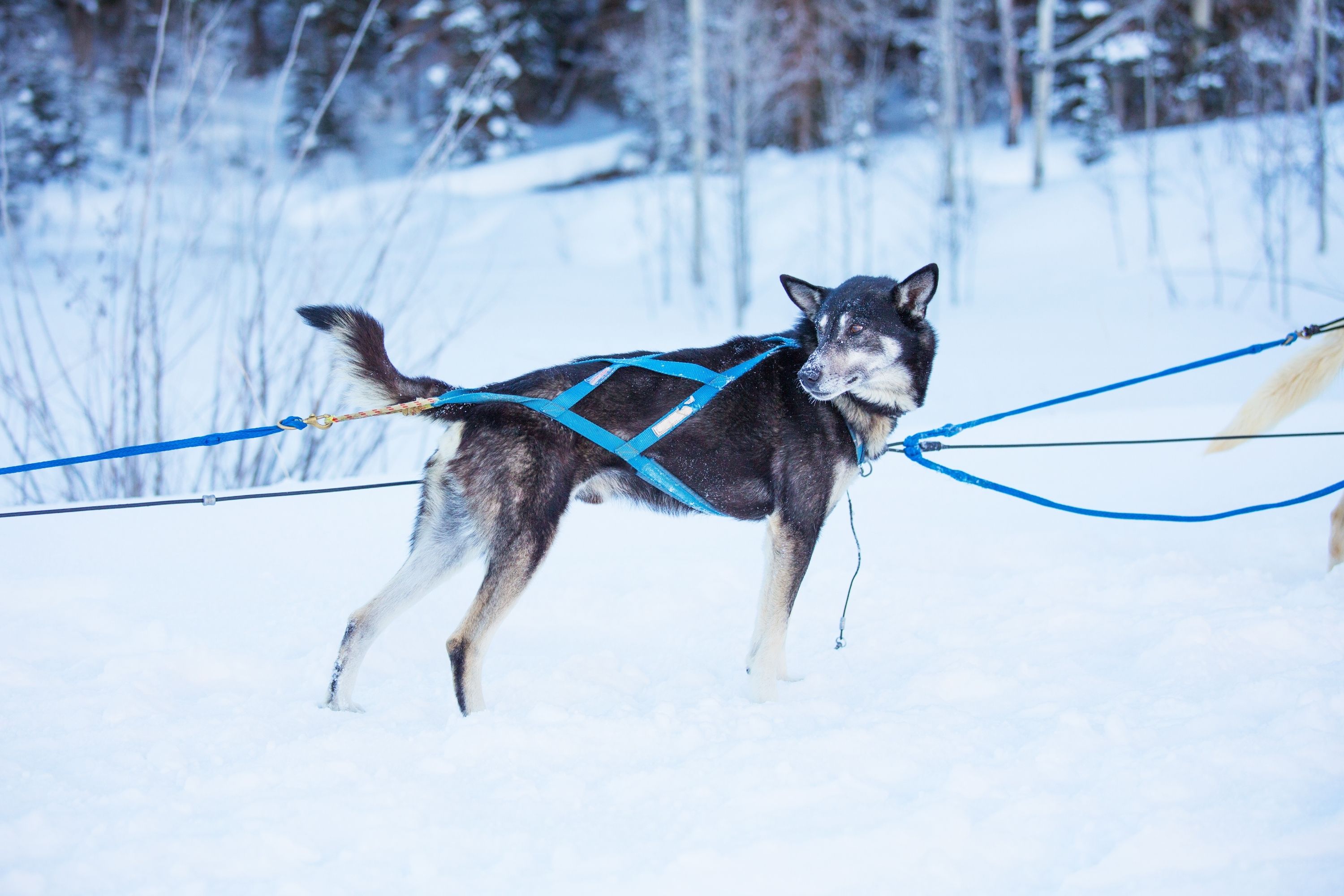
The Alaskan husky is a working dog breed that originated in Alaska, USA. They are highly valued for their exceptional working abilities, which include pulling sleds and transporting goods over long distances in extreme conditions. In this article, we will delve into the history, appearance, temperament, and care of this remarkable dog breed. History: The Alaskan husky is not recognized as an official dog breed by any major kennel clubs, as they are bred specifically for their working abilities rather than their appearance. This means that their breed standard varies depending on the purpose for which they are bred. The Alaskan husky has a long history of being bred by indigenous Alaskans, who would crossbreed their dogs with European breeds brought over by settlers, such as the Siberian husky, Malamute, and German shorthaired pointer, to create a breed that was faster and more efficient at pulling sleds. Appearance: The Alaskan husky is a medium-sized dog breed that typically weighs between 35 and 60 pounds and stands at a height of 20 to 26 inches at the shoulder. They have a lean and muscular body, which is built for endurance and speed. Their coat can come in a variety of colors, including black, white, gray, and red, and can be either solid or a combination of two or more colors. Their coat is usually short and dense, with a thick undercoat to provide insulation against the cold. Their ears are triangular and erect, and their eyes are almond-shaped and can be brown, blue, or a combination of both. Temperament: The Alaskan husky is an intelligent, energetic, and highly trainable dog breed. They have a strong work ethic and love to be active, which makes them excellent for working in sled teams or participating in dog sports such as agility and obedience. They are friendly and affectionate with their owners and make great family pets, but they can be aloof or even aggressive towards strangers if not properly socialized from a young age. Due to their high energy levels, they require plenty of exercise and mental stimulation to prevent destructive behaviors. Care: The Alaskan husky is a low-maintenance breed when it comes to grooming, as their short coat only requires brushing once a week to remove any loose fur or dirt. They are relatively healthy dogs with a lifespan of 10 to 15 years, but they can be prone to certain health issues such as hip dysplasia, eye problems, and skin allergies. Regular check-ups with a veterinarian can help detect and prevent these issues. Proper nutrition is also crucial for their well-being, and they should be fed a high-quality diet that meets their nutritional needs. Conclusion: The Alaskan husky is a remarkable working dog breed that has played a vital role in the history of Alaska. Their exceptional working abilities and friendly temperament make them great pets for active families, but they do require plenty of exercise and mental stimulation to prevent destructive behaviors. Proper care and nutrition are crucial for their well-being, and regular check-ups with a veterinarian can help detect and prevent any potential health issues. Overall, the Alaskan husky is a loyal and hardworking companion that will make a great addition to any active household.
Taxonomic tree: