Great Dane
(Great Dane)
Description
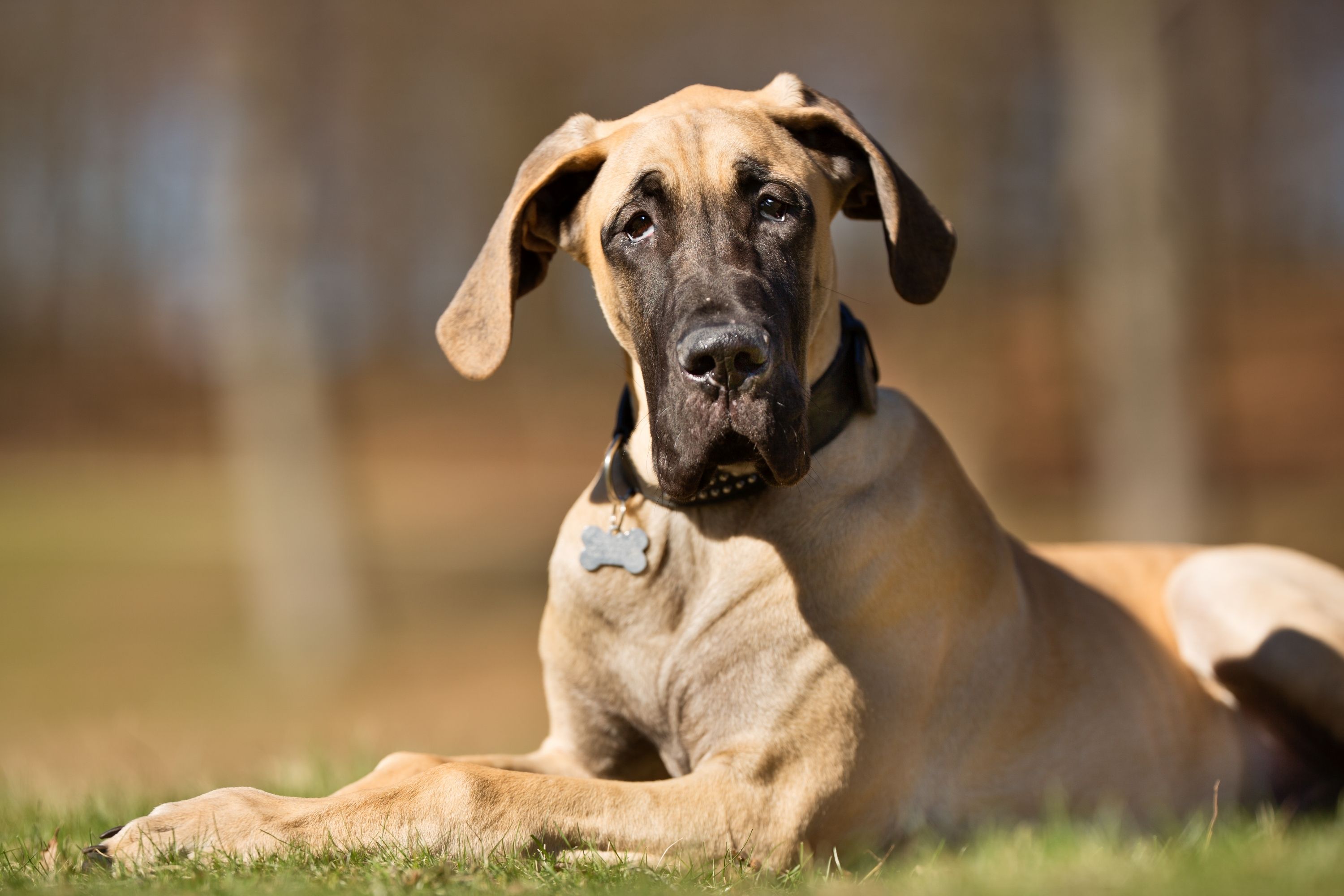
The Great Dane, also known as the German Mastiff or Deutsche Dogge in German, is a giant breed of dog that originated in Germany. It is one of the tallest dog breeds in the world, with males standing at a height of 30-32 inches and females at 28-30 inches. Great Danes are known for their imposing size and elegant appearance, but they are also beloved for their gentle and friendly personalities. In this article, we will delve into the history, appearance, temperament, and care requirements of this magnificent breed. History: The exact origins of the Great Dane are somewhat obscure, but it is believed that the breed was developed in Germany from a cross between the Irish Wolfhound and various mastiff-type dogs. The breed was initially used for hunting wild boar, but it later became popular as a guard dog and companion. Great Danes were imported to England in the 16th century, where they were used to hunt deer and wild boar. The breed's popularity continued to grow, and by the 19th century, Great Danes had become fashionable pets among the upper classes. Appearance: Great Danes are a large and muscular breed with a distinctive, elegant appearance. They have a square-shaped head, with a deep and broad muzzle. Their eyes are dark and expressive, and their ears are typically cropped, though this practice is becoming less common. Great Danes have a long and muscular neck, a broad and deep chest, and a powerful, well-angulated body. Their coats are short and come in a variety of colors, including black, blue, fawn, brindle, and harlequin. Temperament: Despite their imposing size, Great Danes are known for their gentle and friendly personalities. They are loyal and affectionate to their families, and they have a natural instinct to protect them. Great Danes are generally good with children and other pets, though they should be supervised around small children due to their size. They are also known for their intelligence and trainability, though they can be stubborn at times. Great Danes are generally not aggressive, but they can be protective if they sense a threat to their family. Care Requirements: Great Danes are a relatively low-maintenance breed when it comes to grooming, but they do require a significant amount of exercise and attention. They should be given regular opportunities to stretch their legs and run, but they should not be over-exercised, especially during puppyhood when their bones are still growing. Great Danes are prone to certain health issues, including hip dysplasia, bloat, and heart problems, so it's essential to feed them a high-quality diet and keep up with regular veterinary check-ups. Additionally, Great Danes should be trained and socialized from an early age to prevent behavioral issues. Conclusion: Great Danes are a magnificent breed with a fascinating history and a gentle, friendly personality. While they require a significant amount of care and attention, they make excellent companions for the right family. If you're considering adding a Great Dane to your family, be sure to do your research and prepare to provide them with the love and care they need to thrive.
Taxonomic tree: