Old Danish Pointer
(Old Danish Pointer)
Description
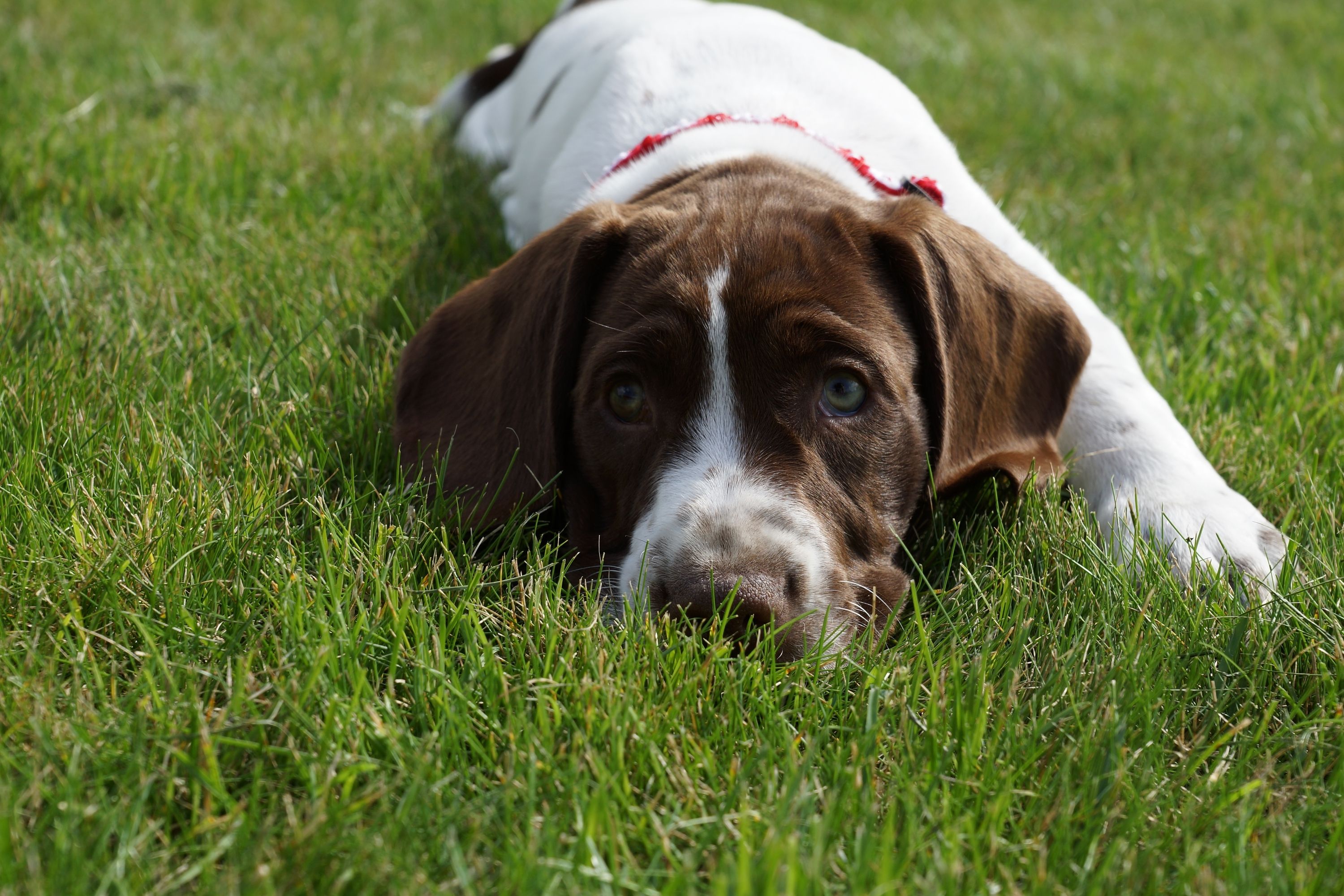
The Old Danish Pointer, also known as the Gammel Dansk Hønsehund, is a breed of hunting dog that originated in Denmark. With a rich history dating back to the 18th century, this breed has become a popular choice among hunters and dog enthusiasts alike. In this encyclopedia guide, we will delve into the history, appearance, temperament, and care of the Old Danish Pointer dog. History The Old Danish Pointer dog is believed to have originated in Denmark in the 18th century. It was bred to be a versatile hunting dog that could hunt on land and in water. The breed was created by crossing local Danish dogs with Spanish Pointers, German Pointers, and other hunting breeds. During the 19th century, the Old Danish Pointer became a popular hunting dog in Denmark, and its popularity spread to other parts of Europe. However, the breed was nearly extinct by the end of the 19th century due to the introduction of new hunting breeds and the decline in hunting as a sport. In the 20th century, a breeding program was established to revive the breed. Today, the Old Danish Pointer is recognized by the Fédération Cynologique Internationale (FCI) and is still used as a hunting dog in Denmark and other countries. Appearance The Old Danish Pointer is a medium to large-sized dog that typically weighs between 55 to 90 pounds and stands 21 to 25 inches tall at the shoulder. The breed has a muscular and athletic build with a broad, deep chest and a powerful neck. The coat of the Old Danish Pointer is short and dense, and comes in various colors such as white with brown patches or brown with white patches. The ears are medium-sized, set high, and hang close to the head. The breed has a long, tapered tail that is carried at a slight curve. Temperament The Old Danish Pointer is an intelligent, loyal, and affectionate breed that is known for its high energy levels and hunting instincts. This breed is highly trainable and responds well to positive reinforcement training methods. Old Danish Pointers are typically friendly towards their owners and other dogs, but may be reserved or suspicious towards strangers. They require plenty of exercise and mental stimulation to stay happy and healthy, and may become destructive if left alone for extended periods of time. Care Old Danish Pointers require regular exercise and mental stimulation to stay healthy and happy. They should be taken for daily walks or runs, and given opportunities to play and explore. This breed is highly intelligent and benefits from training and agility exercises. Old Danish Pointers have short, dense coats that require minimal grooming. They should be brushed regularly to remove loose hair and prevent matting. Bathing should be done as needed, but not too frequently as it can strip the coat of its natural oils. Like all dogs, Old Danish Pointers require regular veterinary check-ups and vaccinations to ensure their health and well-being. They may be prone to certain health conditions such as hip dysplasia and ear infections, so it is important to monitor their health and seek veterinary care when necessary. In conclusion, the Old Danish Pointer is a unique and versatile breed that has a rich history and continues to be a popular hunting dog today. With proper care and attention, this breed can make a wonderful companion for active families and individuals who enjoy the outdoors.
Taxonomic tree: