Vakwa bordmer
(Pandanus balfourii)
Description
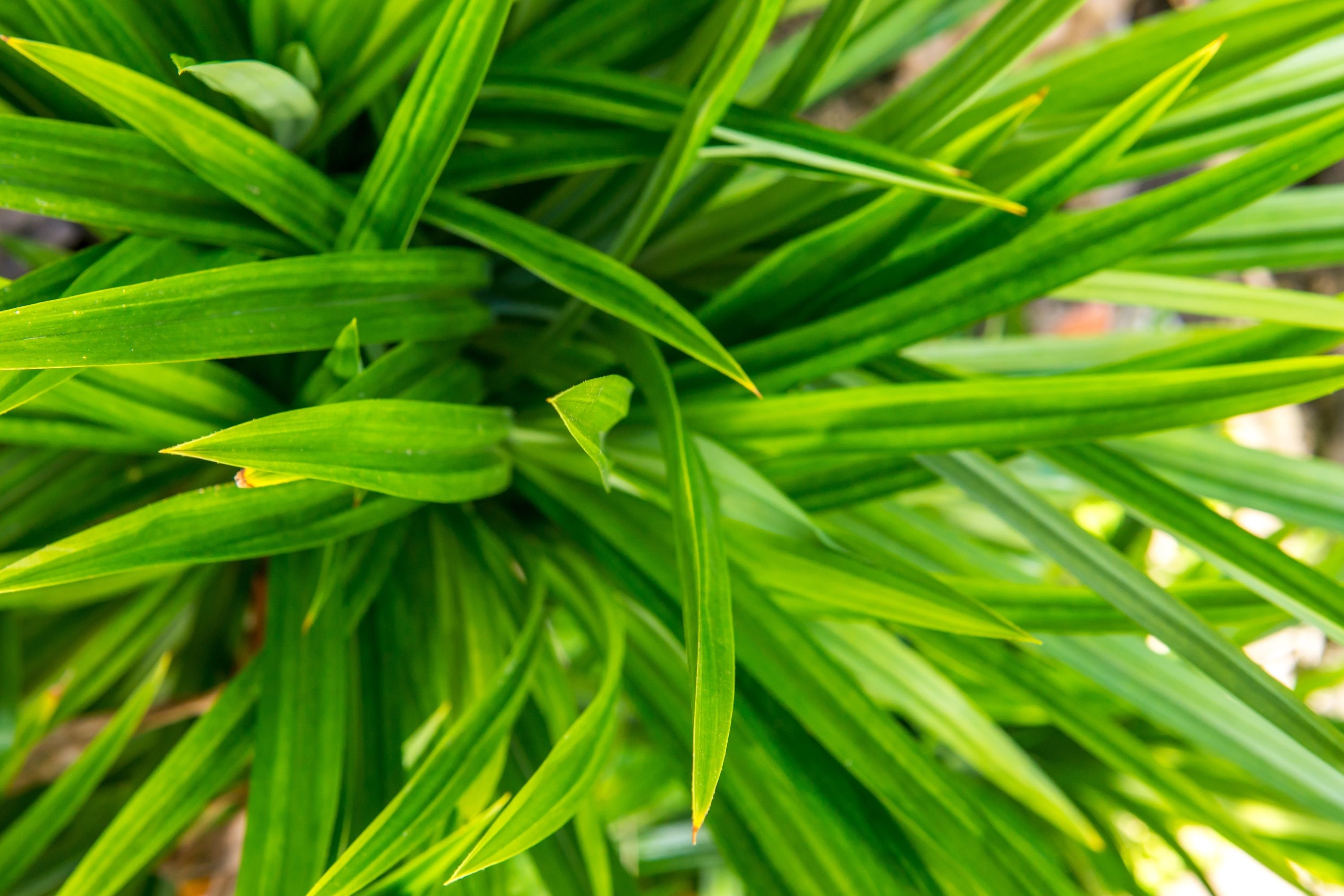
Pandanus balfourii, also known as Vakwa bordmer, is a species of plant in the family Pandanaceae, one of four Pandanus species that are endemic to the Seychelles. Pandanus balfourii is a small, slender, elegant tree of about 8 meters in height, with small supporting roots, and bearing its drooping leaves in spiral rosettes. Its medium-sized fruit-body (25 cm) hangs from the stem and contain 70-90 individual fruits. It is endemic to Seychelles, and was especially common on all the granitic islands. It was formerly extremely common along the coast, and its local name Vakwa bordmer refers to this habitat preference. However, it has been known to live in more rocky areas at higher altitudes too. It is threatened by habitat loss. Other indigenous Pandanus of the Seychelles include Pandanus sechellarum, Pandanus hornei and Pandanus multispicatus. The Madagascan species Pandanus utilis is introduced and is now also widespread. Pandanus is a genus of monocots with some 750 accepted species.They are palm-like, dioecious trees and shrubs native to the Old World tropics and subtropics. The greatest number of species are found in Madagascar and Malaysia. Common names include pandan, screw palm,and screw pine. They are classified in the order Pandanales, family Pandanaceae. Often called pandanus palms, these plants are not closely related to palm trees. The species vary in size from small shrubs less than 1 m (3.3 ft) tall, to medium-sized trees 20 m (66 ft) tall, typically with a broad canopy, heavy fruit, and moderate growth rate. The trunk is stout, wide-branching, and ringed with many leaf scars. Mature plants can have branches.Depending on the species, the trunk can be smooth, rough, or warty. The roots form a pyramidal tract to hold the trunk.They commonly have many thick stilt roots near the base, which provide support as the tree grows top-heavy with leaves, fruit, and branches. These roots are adventitious and often branched. The top of the plant has one or more crowns of strap-shaped leaves that may be spiny,varying between species from 30 cm (12 in) to 2 m (6.6 ft) or longer, and from 1.5 cm (0.59 in) up to 10 cm (3.9 in) broad.
Taxonomic tree: