Big sacaton
(Sporobolus wrightii)
Description
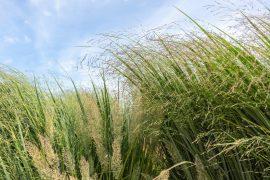
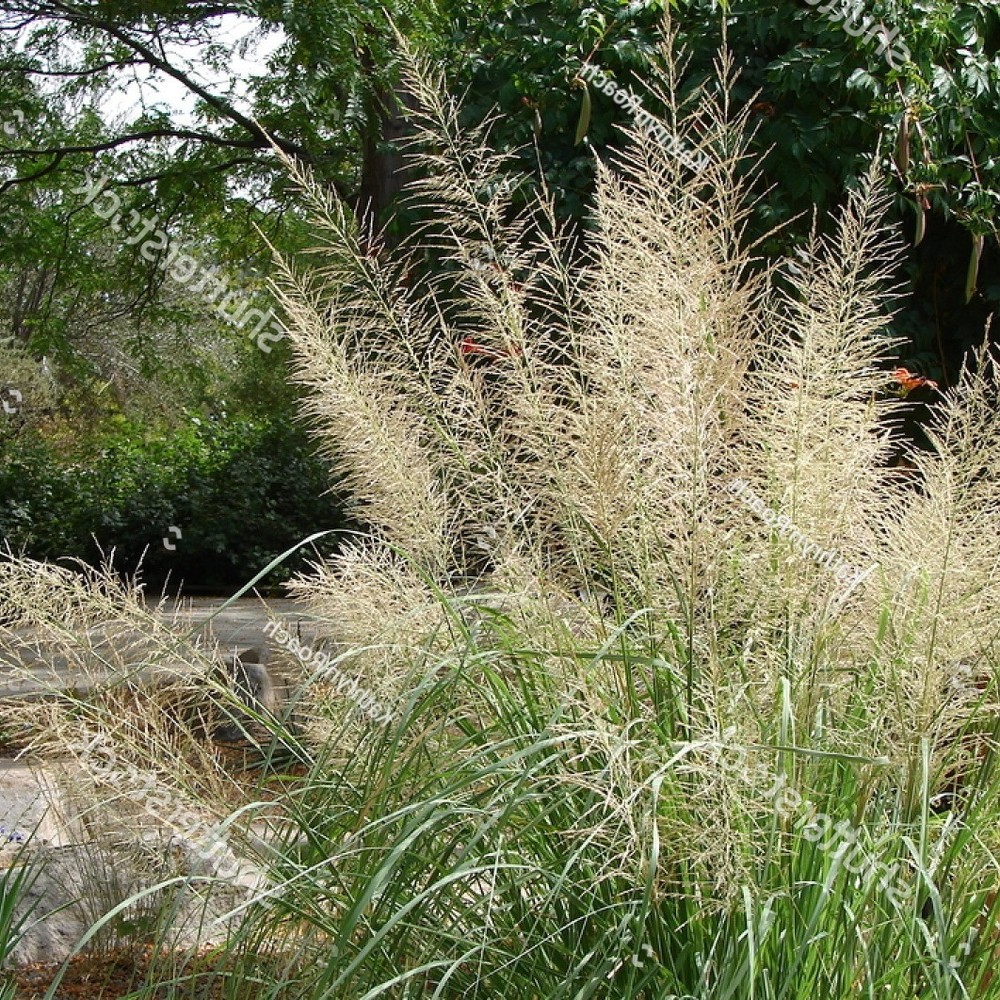
Sporobolus wrightii is a species of grass known by the common names big sacaton and giant sacaton. It is native to the western United States and northern and central Mexico. This species is a perennial bunchgrass with thick stems that can reach 2.5 metres tall. The leaves are 20 to 70 centimetres long. The panicle is lance-shaped in outline and up to 60 centimetres long. It contains purplish or greenish spikelets. This plant grows in plains and desert grassland, shrubsteppe, and desert shrubland habitat. It may occur in desert wetland habitat types such as desert marshes, seasonal lakes, and floodplains. In this kind of habitat it is an important species for preventing erosion and slowing runoff by trapping sediments. It may be a common to prominent or dominant species. It dominates some grasslands in its native range, alongside other common grasses. This type of grassland has been reduced to a fraction of its pristine range by forces such as overgrazing and the channelization of water. This grass provides a good forage for livestock, producing large amounts of green matter. It is an important species for grazers on grasslands in parts of Arizona. It is also valuable for wildlife. Sporobolus is a nearly cosmopolitan genus of plants in the grass family. The name Sporobolus means "seed-thrower", and is derived from Ancient Greek word σπόρος (spóros), meaning "seed", and the root of βάλλειν (bállein) "to throw", referring to the dispersion of seeds. Members of the genus are usually called dropseeds or sacaton grasses. They are typical prairie and savanna plants, occurring in other types of open habitat in warmer climates. At least one species (S. caespitosus from Saint Helena) is threatened with extinction, and another (S. durus from Ascension Island) is extinct. While some dropseeds, such as prairie dropseed (Sporobolus heterolepis), make nice gardening plants, they are generally considered to make inferior pastures, but seeds of at least some species are edible and nutritious; they were used as food, for example, by the Chiricahua Apaches. Other species are reported to be used as famine foods, such as Sporobolus indicus in parts of the Oromia Region of Ethiopia, where it is known as muriy in Oromiffa. Known as popote de cambray, Sporobolus grasses are used in popotillo art or straw mosaics, a Mexican folk art with pre-Columbian origins.
Taxonomic tree: